AIAAstronomy · Côte d’Ivoire

Ivorian Astronomy Association · Abidjan

The skystarts here.

Since 2021 we have been getting Côte d’Ivoire to look up: telescopes open to all, high-school clubs, lectures and asteroid hunting with the International Astronomical Union and NASA. Next step: a national observatory.

Look up.

The Abidjan sky is yours.

EXPLODED VIEW · 0 %
SCROLL

Navigation — solar system

Choose your destination

Move closer to a celestial body: each one is a door to a section of the site.

On 13 February 2021, at Félix Houphouët-Boigny University, a group of enthusiasts set out to reconcile Ivorians with science.Since then we have been taking pupils, students and the curious under the Abidjan sky, with one dream: to build the national observatory.

2021Founded
5Astronomy clubs
10,000+People reached
6Asteroids detected

Asteroid belt — 2.2 to 3.2 AU

Six asteroids discovered from Abidjan

In 2022, a team of AIA volunteers detected six unknown asteroids in Pan-STARRS telescope images, with the International Astronomical Search Collaboration, under the IAU and NASA umbrella.

The 2026/2027 campaign ran from 7 September to 2 October: its preliminary results include a new discovery by the Lycée français Blaise Pascal club.

Discover the research

Low orbit — 400 km

An orange dot on Earth.

At 5° north, Abidjan sees almost the whole sky: northern and southern stars alike. This is where AIA observes, teaches and hunts asteroids.

LATITUDE5°21′ N
LONGITUDE4°01′ W
ELEVATION18 m
ABIDJAN5°21′ N · 4°01′ W

Drag to spin the Earth

Upcoming missions

See all →

No event scheduled yet. The next public stargazing or AstroPause will be announced here as soon as it is confirmed.

Get notified

Completed missions

2026/2027 asteroid campaign

7 September to 2 October: a new search campaign with students and volunteers. Preliminary results published in early October, including a preliminary discovery at the Lycée français Blaise Pascal.

En ligne · Science citoyenne
Asteroid Day

Lectures at LASMES for the international day of asteroids.

LASMES · Université Félix Houphouët-Boigny

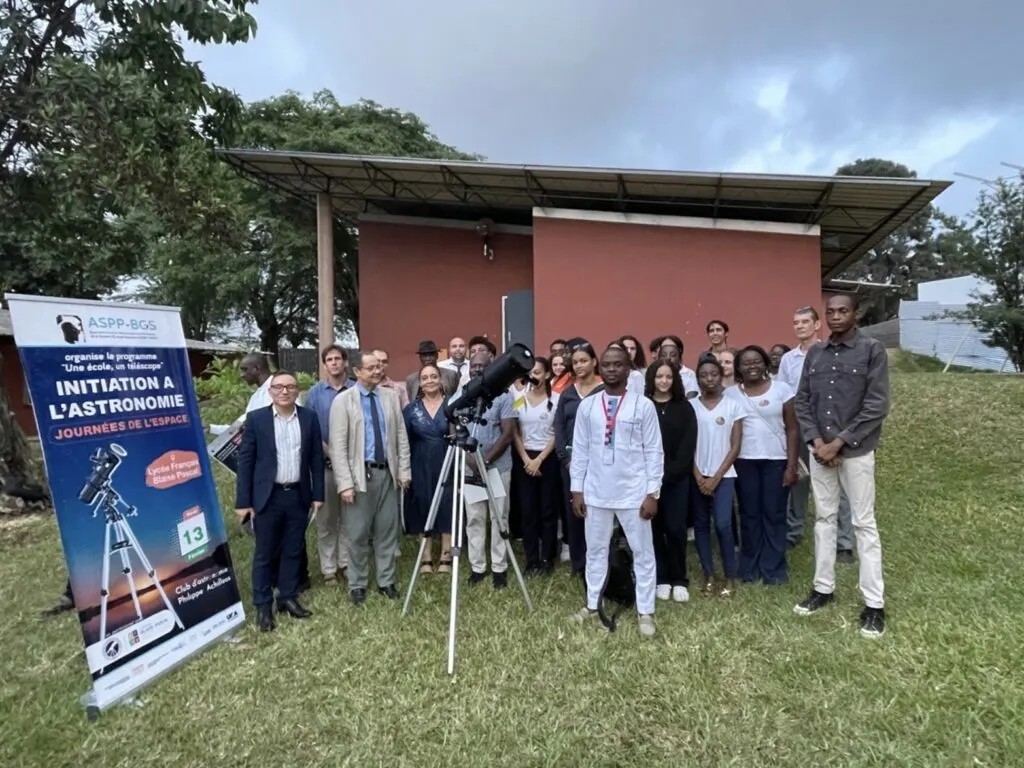
Space days · Lycée Blaise Pascal

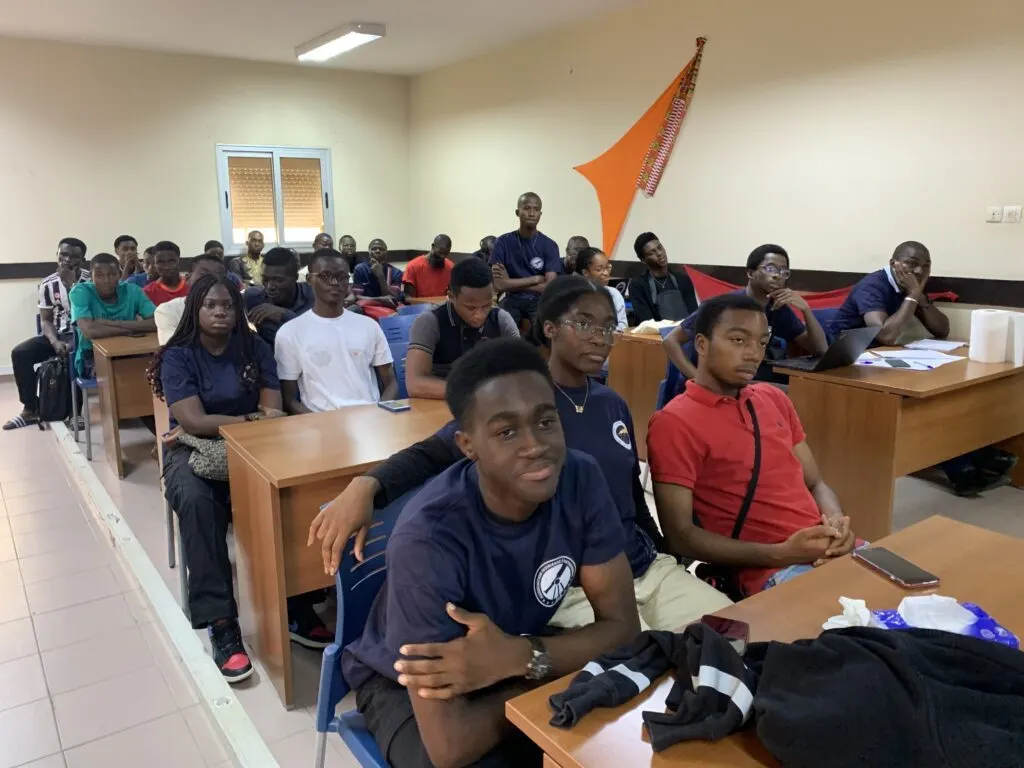
An introduction to astronomy and stargazing with AIA’s telescopes, at the opening of the school’s astronomy club.

Abidjan · Lycée français Blaise Pascal

Astro Tour Ivoire

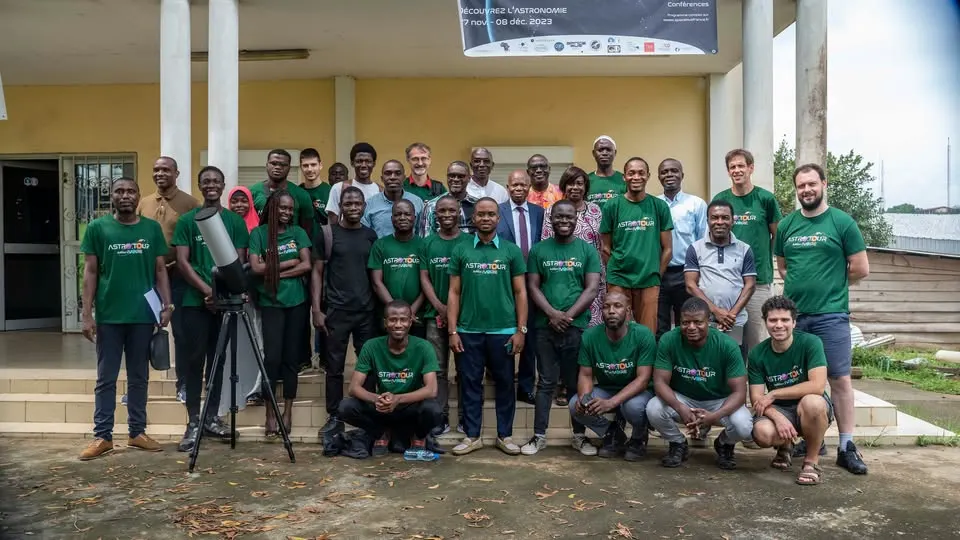
27 November to 8 December: four cities, nine dates. Free workshops, teacher training, stargazing and lectures for all, with SpaceBus France and IRD. Fifteen scientists, ten Ivorian and five French.

Abidjan · Yamoussoukro · Korhogo · Bouaké

AstroPause #1

“Satellite communication, Earth and the reconquest of space”: AIA presentation and talks on the Ivorian space agency and satellites. Some fifty participants.

LASMES · Université Félix Houphouët-Boigny

Café des Savoirs · “There is no planet B”

As guest of the Institut Français de Côte d’Ivoire, AIA led a debate on the future of the Earth.

Institut Français de Côte d’Ivoire

On The Moon Again

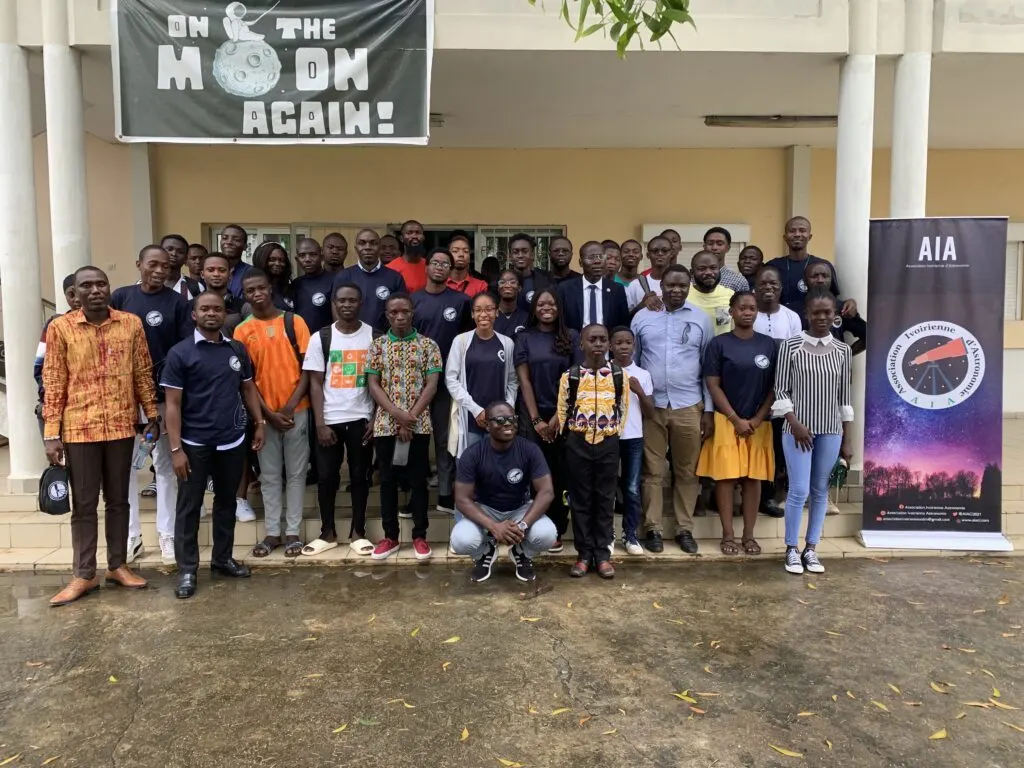
16 to 18 July: three days of Moon observation at Félix Houphouët-Boigny University, as part of the international On The Moon Again operation.

Abidjan · Université Félix Houphouët-Boigny

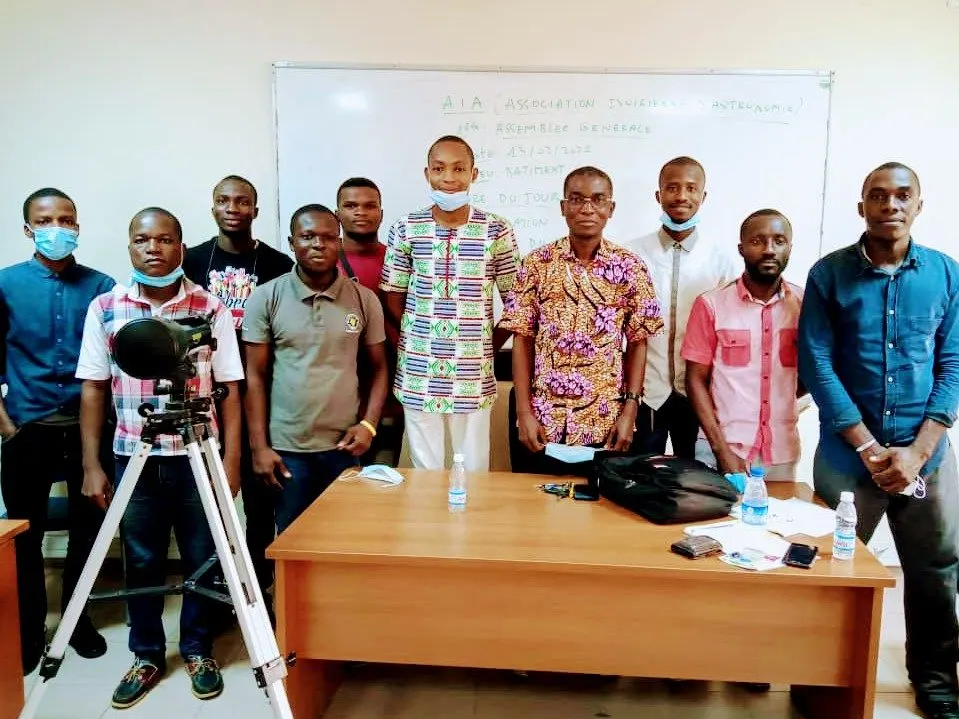
AIA is born

Founding general assembly at Félix Houphouët-Boigny University: Dr Aziz Diaby is elected first president.

Abidjan-Cocody

Atmosphere — Kármán line, 100 km

Six ways to touch the sky

Hover or tap a panel to open it.

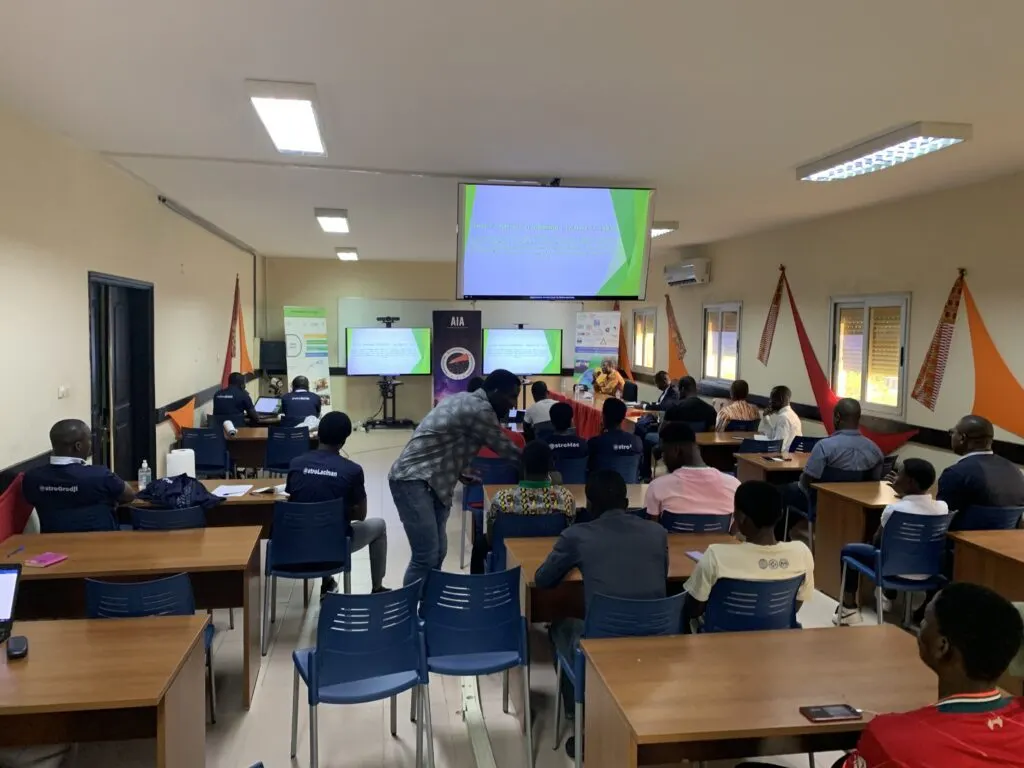
Participants at an AIA observing night
01

Stargazing

Free-access telescopes so that everyone can see the Moon, planets and stars with their own eyes, especially on the Cocody campus.

  • Free
  • All ages
  • Abidjan and beyond

All our activities →

Observe for yourself

Tonight, above us.

No telescope needed to begin: the Moon, bright planets and major constellations are visible to the naked eye from Abidjan.

LOCAL TIME (GMT)--:--Abidjan, 5°21′ N · 4°01′ W
MOON PHASE…
ILLUMINATION…of the visible face
ISS · ORBIT≈ 400 km16 sunrises a day
01

Get away from streetlights

Artificial light washes out the stars. A dark spot reveals many more.

02

Let your eyes adjust

It takes about twenty minutes to see the sky at its best. Avoid your phone screen, or switch it to red light.

03

Start with the naked eye

The Moon, bright planets and major constellations need no instrument at all.

04

A free app

Stellarium (free, also online) shows you what to look at, where and when, from where you stand.

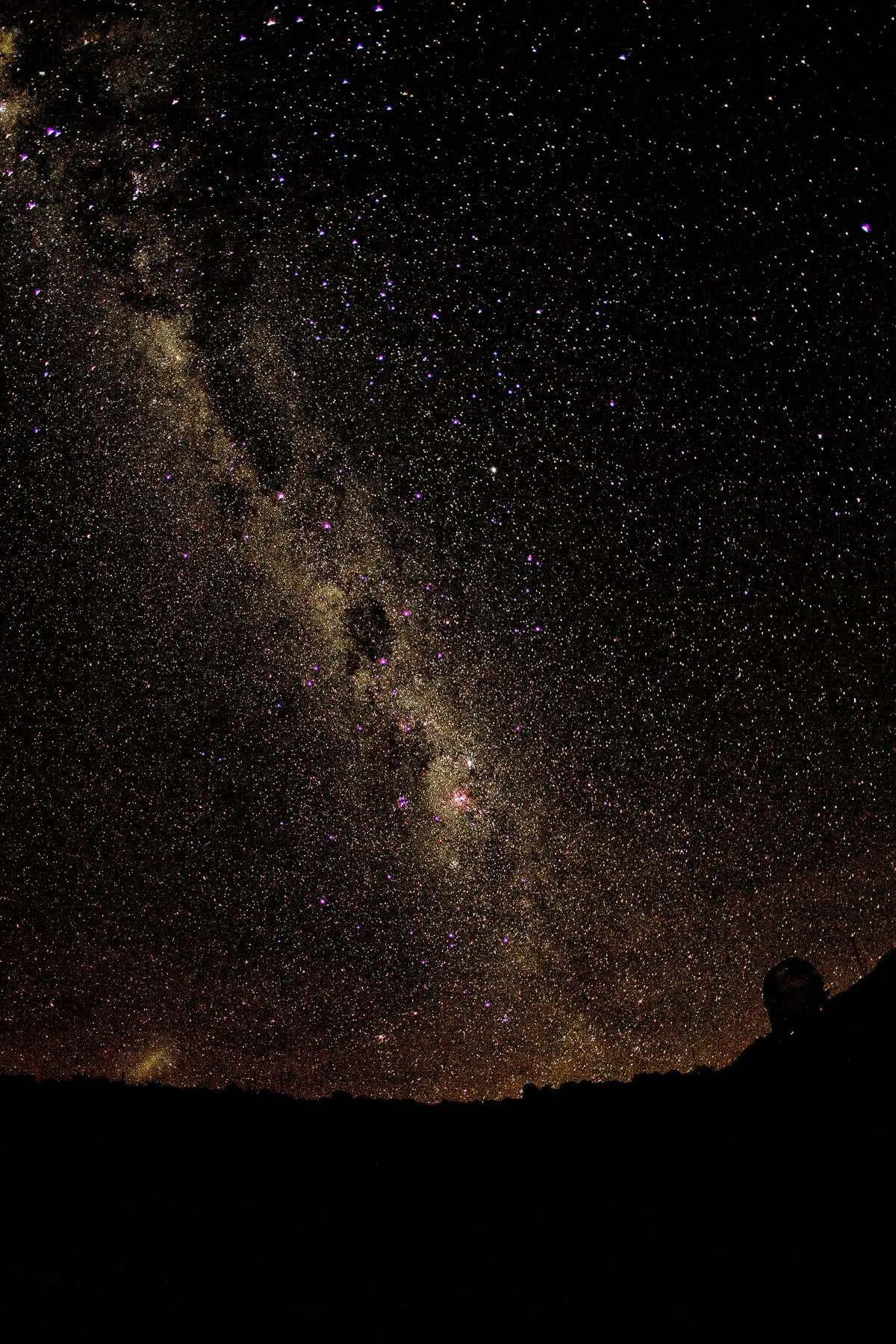
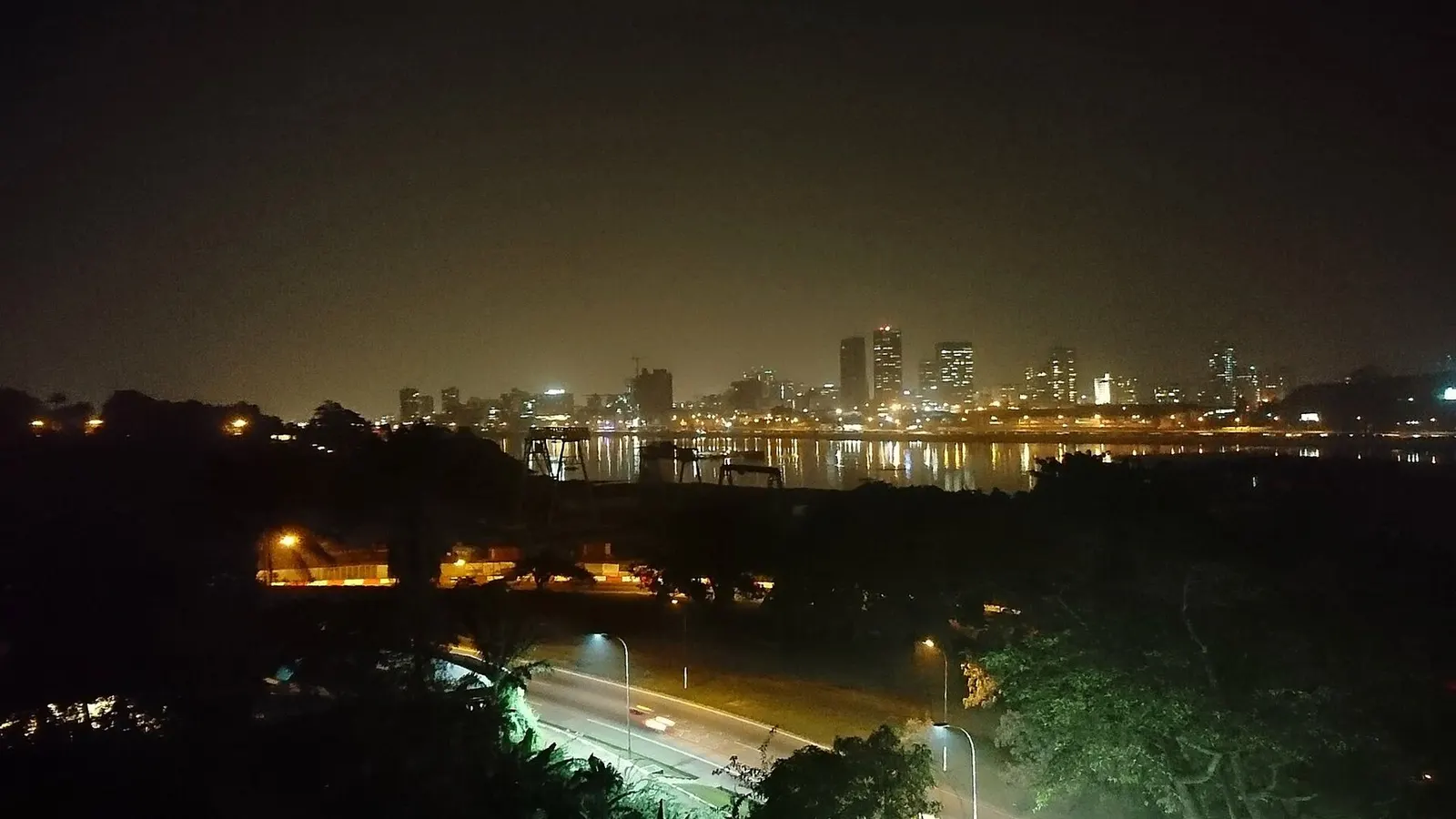
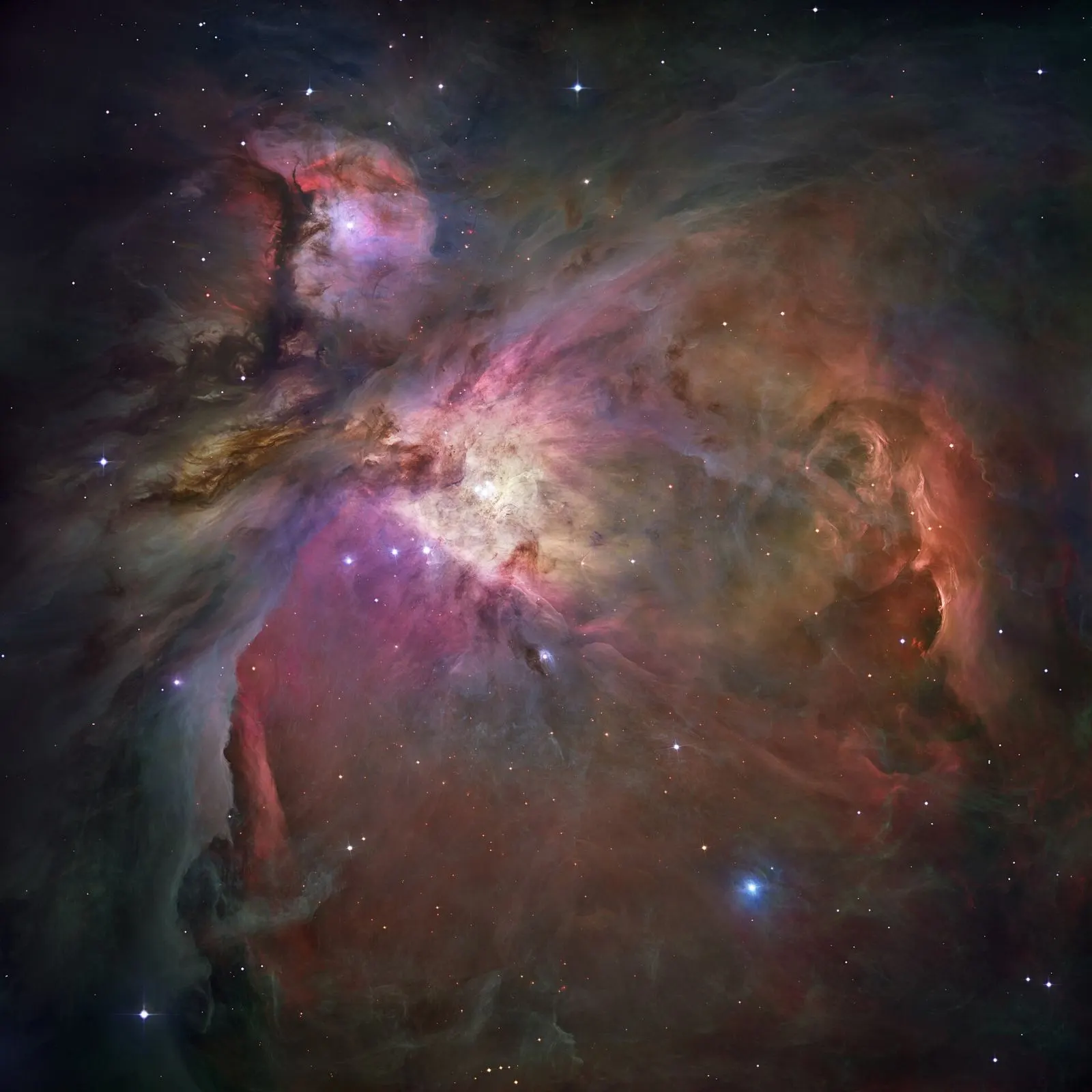
Photos: Abidjan at night, Wikimedia Commons · Orion nebula, NASA/ESA/Hubble · Milky Way, NOIRLab/AURA · Earth and Moon: NASA textures via three.js.

Want to join the adventure too?

Pupil, student, teacher, enthusiast or simply curious: there is no prerequisite to watch the sky with us. Young women are especially welcome — space needs everyone.

A network beyond the atmosphere